Start
13:15
12.09.2026
Alicante (ALC)
ALC
overcast clouds 30 °C
Flight time: 3 h 20 min
SCHEDULED
Landing
16:35
12.09.2026
Bydgoszcz (BZG)
BZG
overcast clouds 23 °C
Data are updated every 15 minutes
Move table! ->
| Date | Airline | Start | Landing | Flight number | Status |
|---|---|---|---|---|---|
| 12.09.2026 | | Alicante 13:15 (ALC) | Bydgoszcz 16:35 (BZG) | FR 7832 | SCHEDULED |
Before departure
What is worth remembering?
At the airport
First time at the airport?
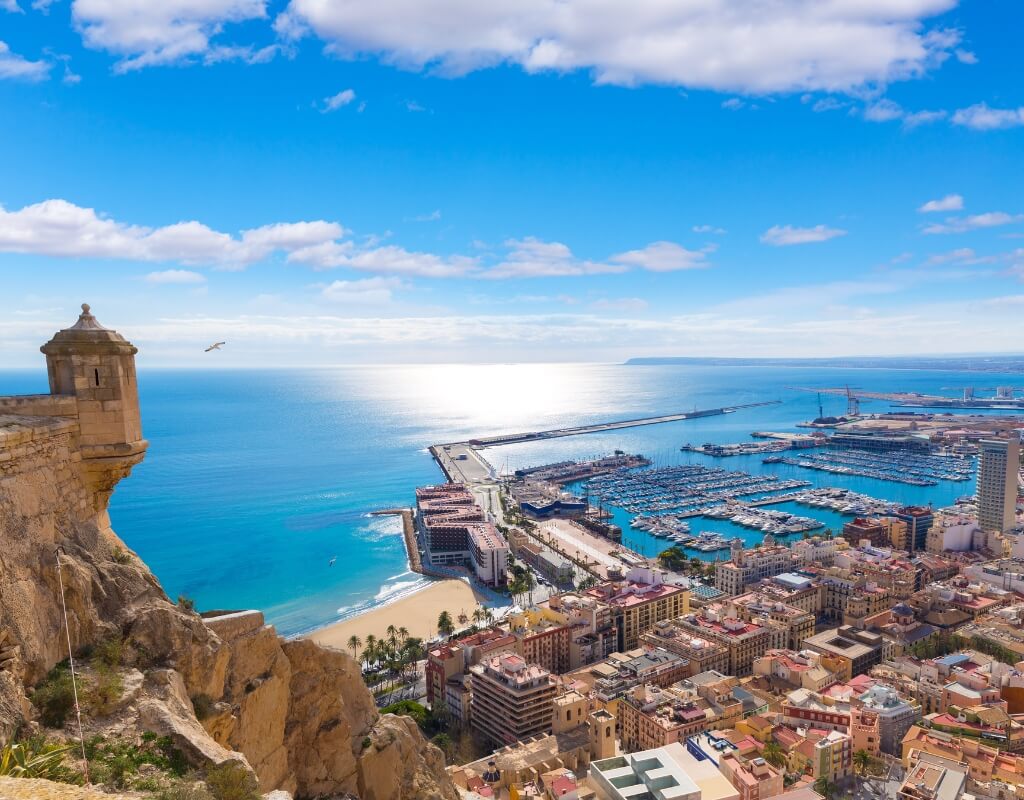
Alicante - NEW with departure from Bydgoszcz - from March 31!
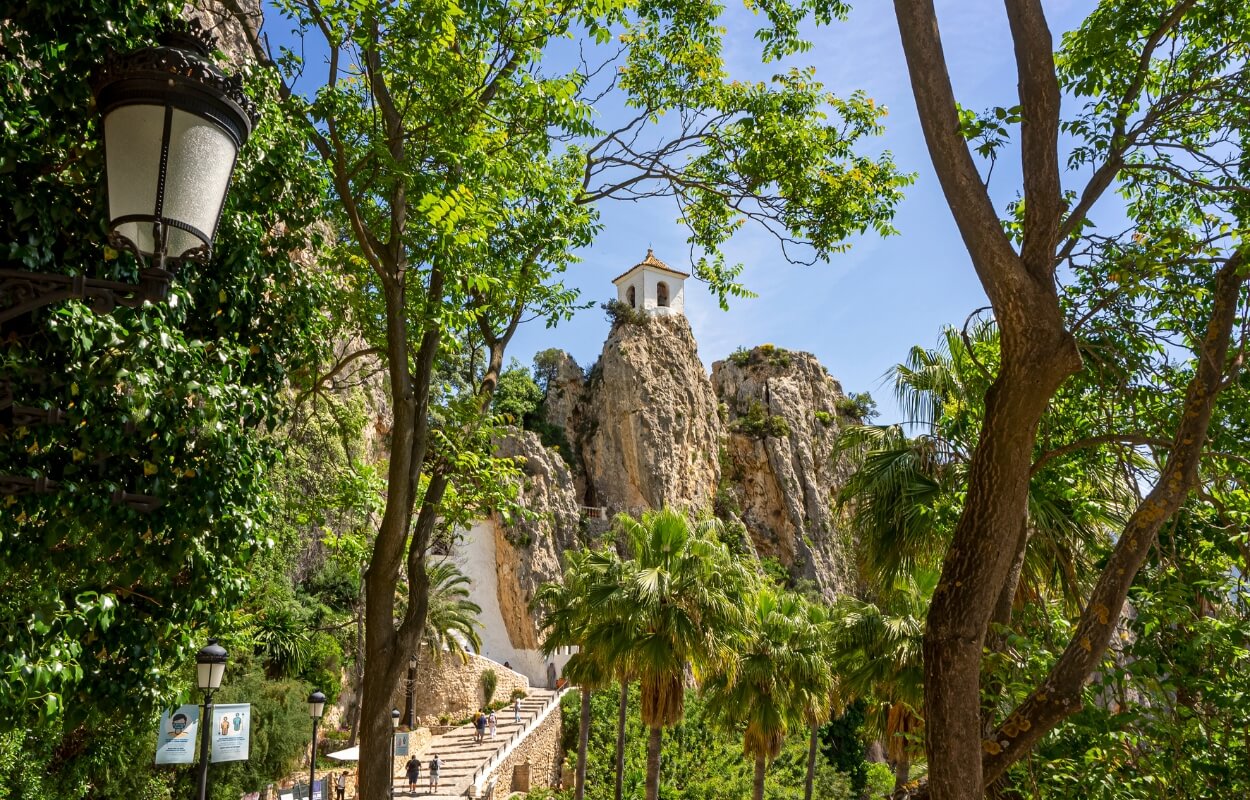
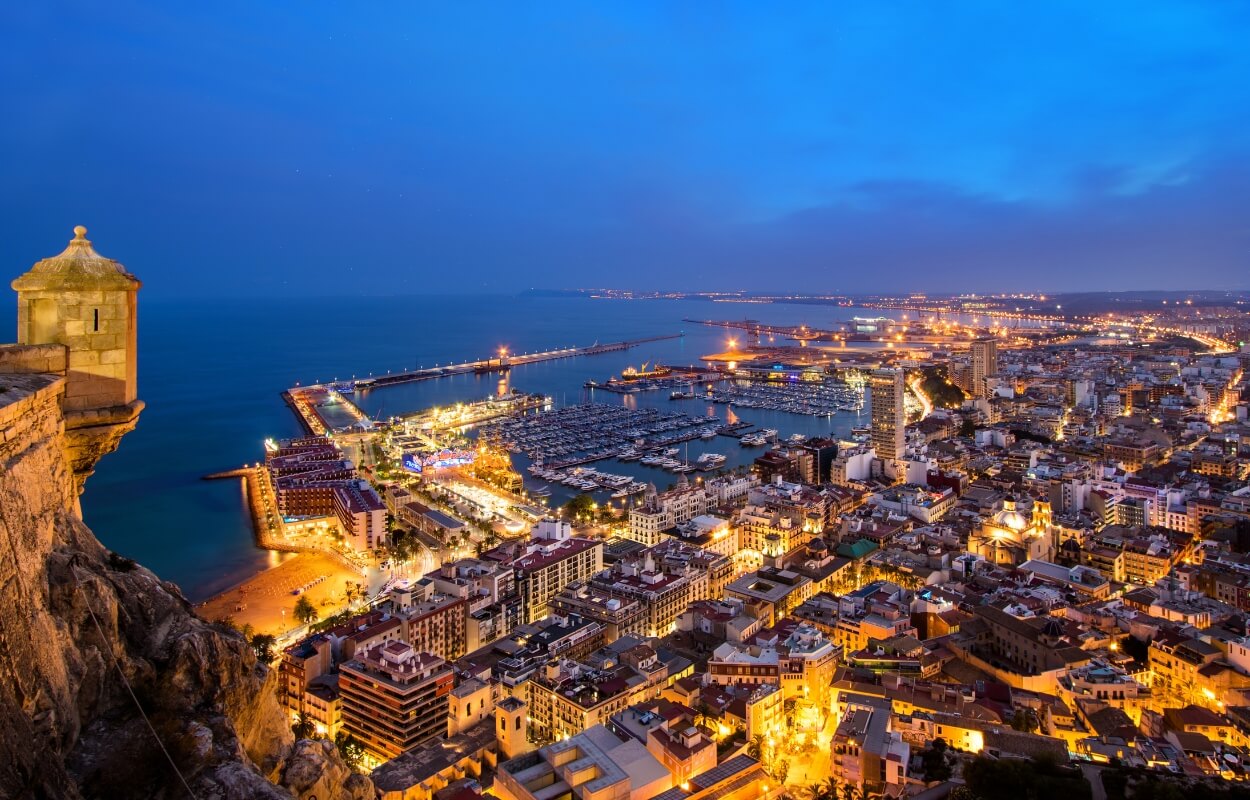
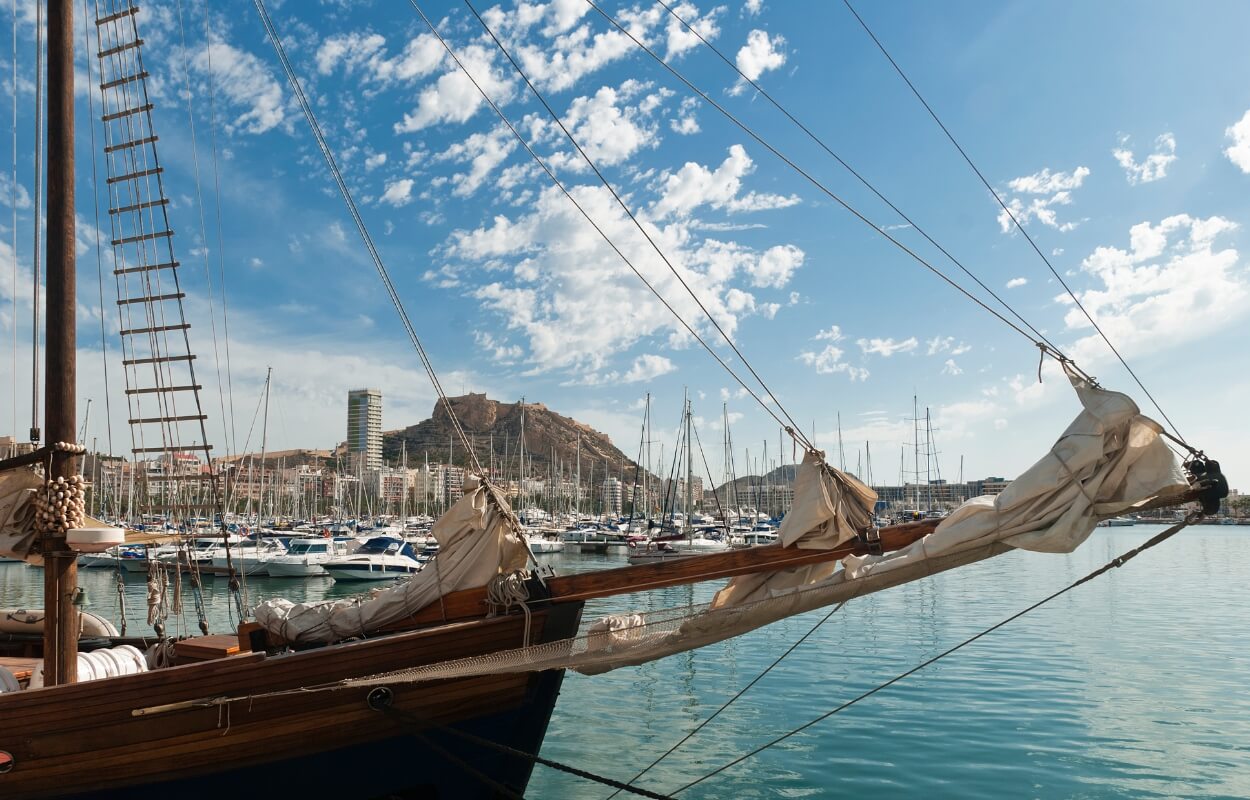
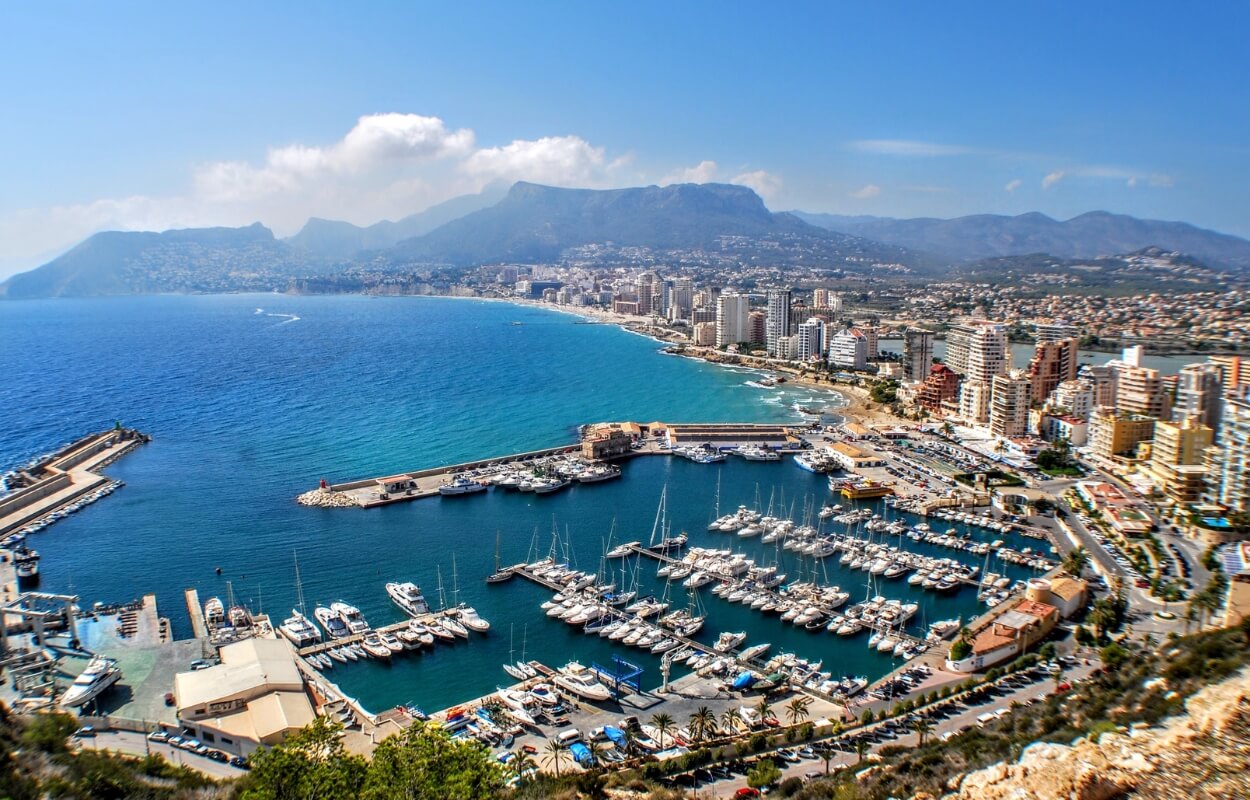
Alicante, located on the east coast of Spain, in the Valencia region, is one of the most popular tourist destinations on the Costa Blanca. The city combines beautiful beaches, rich history, excellent cuisine and wonderful views.
Alicante is a city that combines relaxation on the beach, visiting monuments, discovering local culture and outdoor sports adventures. It is an ideal holiday destination that offers something for everyone - from history and art lovers to those looking for a blissful, carefree holiday by the sea.
The entire Costa Blanca region is a real paradise for lovers of Spanish cuisine. Served here include: paella (including a version with seafood), fish and seafood, as well as traditional tapas. It is also worth trying regional wines, olive oil and local specialties such as arroz a banda (rice with seafood) or turrón (almond-based sweet).
Here are some of the main tourist attractions worth visiting in Alicante:
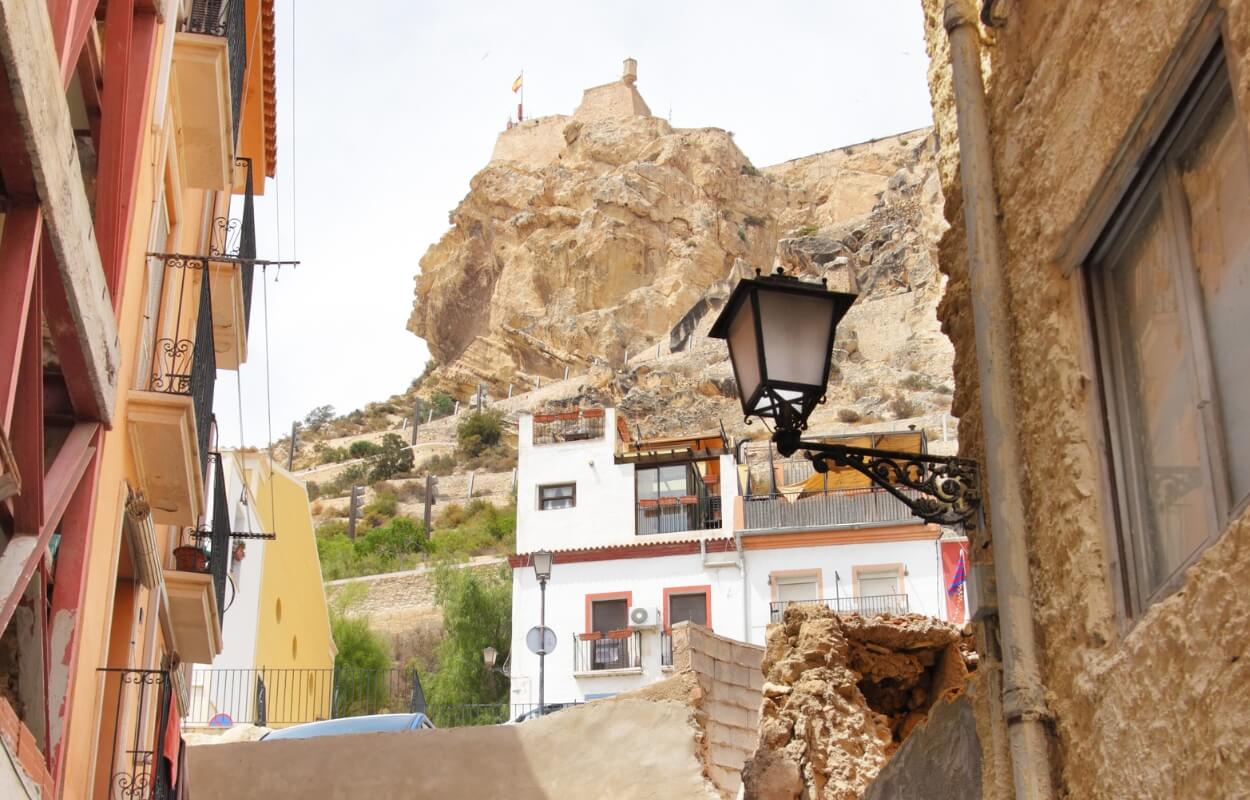
- This is one of the most characteristic attractions of Alicante. The castle, perched on Benacantil Hill, offers spectacular views of the city, sea and surrounding mountains. Built in the 9th century by the Moors, the castle has a fascinating history and several different sections to explore, including courtyards, towers and ramparts. You can get to the top on foot, by elevator or by car.
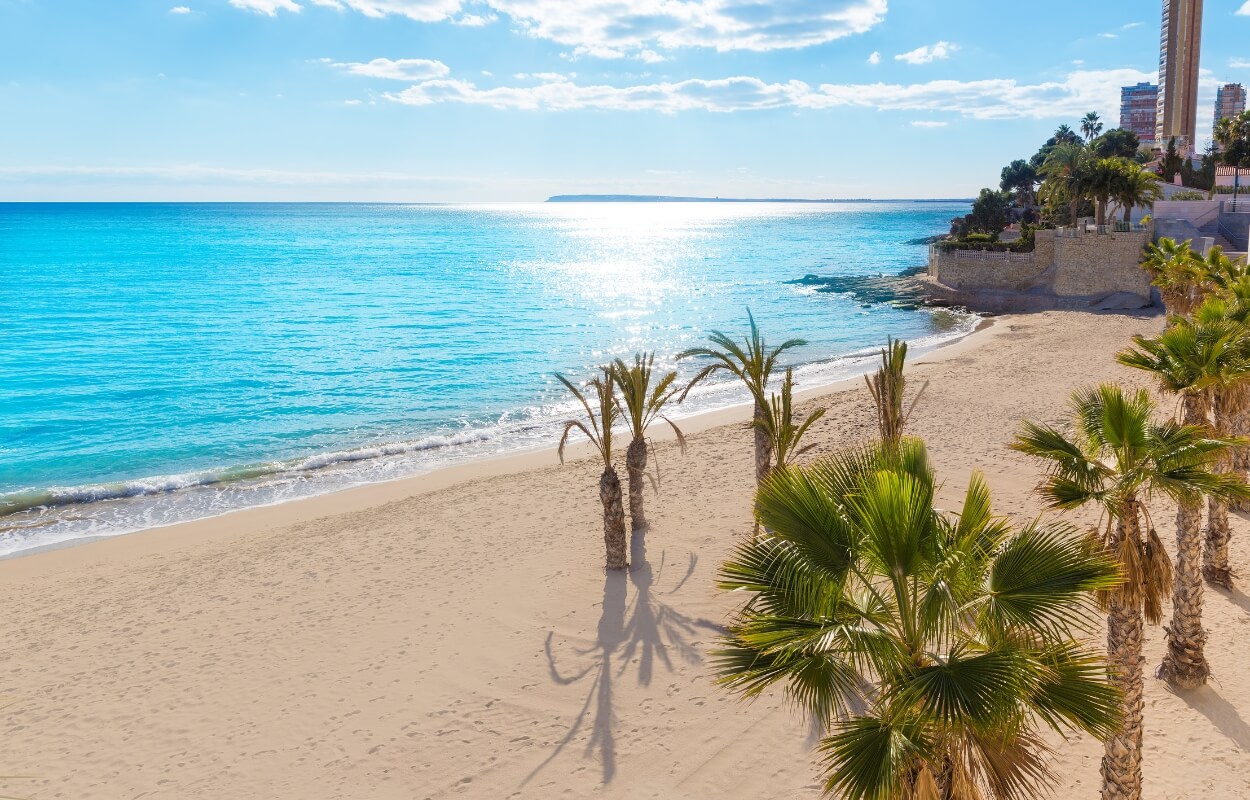
- Postiguet Beach is one of the most famous beaches in Alicante, located right next to the old town. It's the perfect place to relax, sunbathe and swim. There are many restaurants and cafes in the area where you can try local delicacies such as paella.
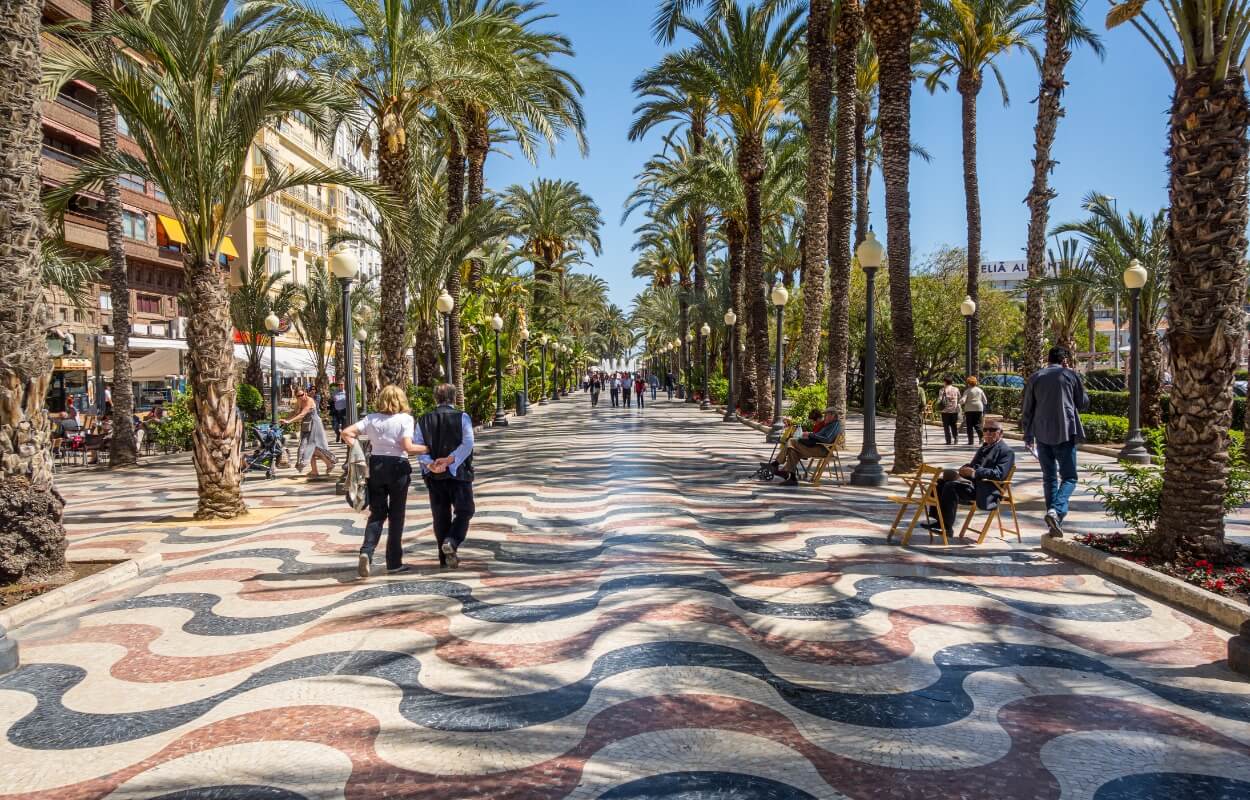
- It is one of the most famous and picturesque boulevards in Alicante, characterized by a mosaic of colorful wave-shaped tiles. This is a place where you can take a walk, relax on a bench and admire the views of the port. There are many shops, restaurants and cafes along the Explanade, making it a popular meeting place for tourists and locals alike.
- This museum presents a rich collection of contemporary art, with an emphasis on the work of 20th century Spanish artists such as Salvador Dalí, Joan Miró, and Juan Gris. The museum building is located in a historic palace from the 18th century, and its interior perfectly combines modern design with a historical character.
- Tabarca Island, located about 8 km off the coast of Alicante, is a little paradise that can be explored in one day. It is the only inhabited island in the Valencia region, known for its beautiful beaches, crystal clear waters and a charming town with narrow streets and colorful houses. Tabarca is also a place with rich marine life, ideal for diving enthusiasts.
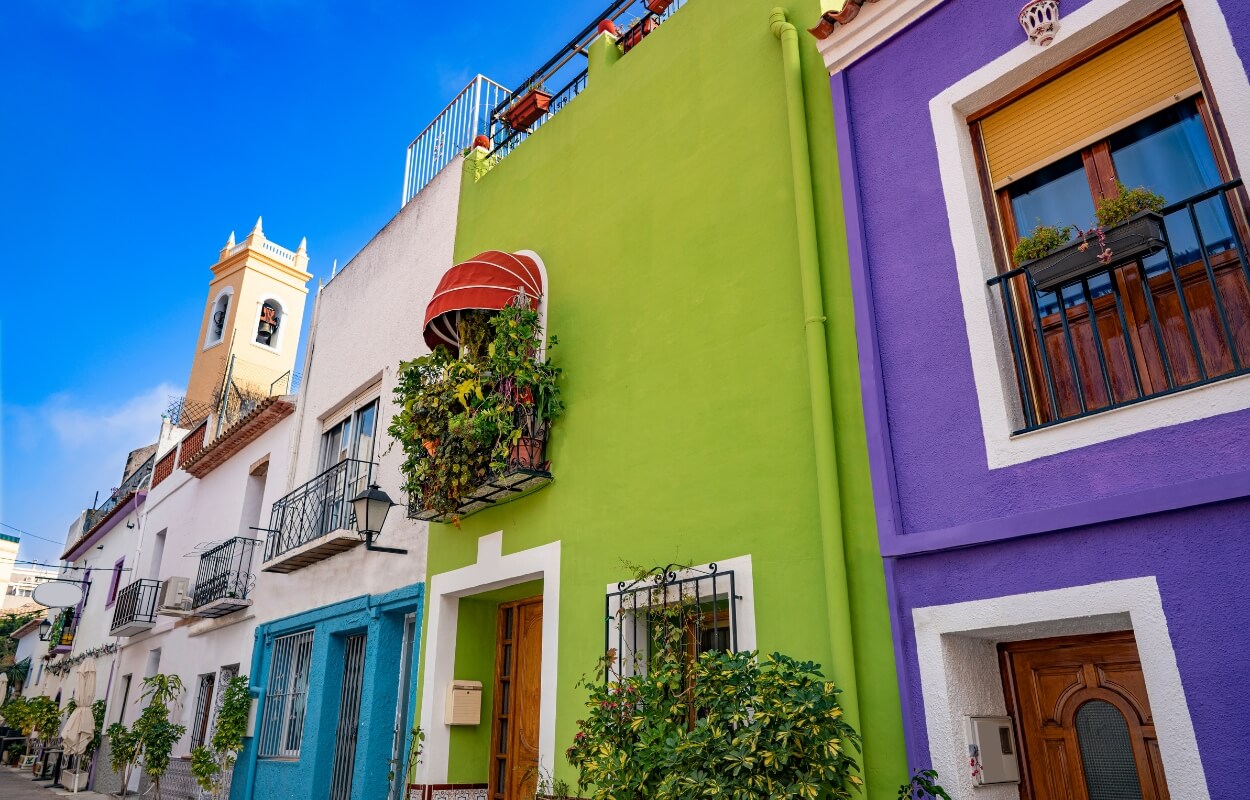
- Alicante's Old Town, known as El Barrio, is a maze of narrow streets and picturesque squares, full of historic buildings, restaurants, bars and shops. It is worth visiting the Cathedral of Saint Nicholas (Catedral de San Nicolás) and the Winemakers' Square (Plaza de los Vinos), which are the central points of this part of the city. In the evenings, El Barrio comes alive, with tapas and sangria served in the surrounding bars.
- The MARQ Museum is one of the best archaeological museums in Spain, offering a fascinating journey through the history of the region. The exhibitions include prehistoric artifacts, Roman and Moorish finds, and elements related to Iberian culture. It is worth spending a few hours visiting this modern museum, which also has interactive exhibitions.
- El Palmeral Park is an oasis of peace in the heart of Alicante, perfect for walks and picnics. There are many palm trees, ponds, waterfalls and bicycle paths. The park is also a great place to rest after exploring the city, with numerous places to relax in the shade of trees.
- The central market in Alicante is a great place to feel the atmosphere of local life and try traditional Spanish products. Here you can find fresh fruit, vegetables, seafood, cold meats and regional delicacies. This is the perfect place to buy culinary souvenirs or prepare your own meal.
- For lovers of nature and active recreation, the Alicante region offers a number of mountain trails and trekking routes that lead through picturesque mountain areas. Alicantea is a mountain tourism project offering a variety of trails, including routes adapted to people of different skill levels.
- If you like active recreation, it is worth going to the Natural Park in the Mariola Mountains, which offer numerous hiking trails, beautiful views, and the opportunity to see local flora and fauna. This is an ideal place for hiking and communing with nature.
Alicante airport
Alicante Airport, officially known as Alicante-Elche Miguel Hernández Airport, is located in the Valencia region of Spain, approximately 9 km southwest of Alicante city center. It is one of the main airports in the region and one of the busiest in Spain – 100,000 flights are carried out here each year and 15 million passengers are served here.
The airport has modern facilities and is well adapted to handle tourist traffic. Its infrastructure includes:
- The main terminal is spacious, with a modern design and a full range of services for passengers. There are many shops, restaurants, cafes and service points in the terminal (e.g. currency exchange offices, ATMs, tourist information points).
- It offers a wide range of products, including alcohol, perfumes and souvenirs, as well as food and beverage outlets.
- The airport is well connected to the city and region, offering numerous transport options including taxis, buses, car rental and transfer services.